The High Line
A meadow on stilts, a city as theater
⏱ 1-2 hours👤 All ages$
Get Tickets
Get High Line Tickets
Skip the line · mobile tickets accepted at the door
The backstory carries the walk: the viaduct (built 1934 to lift freight trains off "Death Avenue" — 10th Avenue's street-level rail killed hundreds before it) ran its last train in 1980 (three carloads of frozen turkeys, the lore insists), rusted under demolition orders for two decades while a secret meadow self-seeded on the gravel, and was saved when Joshua David and Robert Hammond — two neighbors who met at a community-board meeting — founded Friends of the High Line and won: the photographs of the hidden wild landscape (Joel Sternfeld's famous series) converted the city, and the design team (James Corner Field Operations, Diller Scofidio + Renfro, Piet Oudolf) built the park as a frame for that found wildness rather than its replacement — the planting's four-season honesty (winter's standing seedheads are deliberate; the park refuses the bedding-plant cycle) is the design's soul.
Walking craft: start at Gansevoort (Whitney stairs) and walk north — the sequence builds correctly — with the essential pauses: the 10th Avenue Square's window-seats (claim one; watch the avenue as theater), the Chelsea Market passage's vendor-and-shade stretch (descend at 16th for the Market's food halls — the one mandatory detour), the 23rd Street lawn's lounging, the art commissions (the program is museum-grade; check the current roster), and the 30th Street cutout's rail-yard panorama as Hudson Yards rises. Evening strategy: the path faces the Hudson — sunset walks west-glowing, with the Standard's and neighbors' terraces lighting after. Crowd math: weekend 11am-4pm runs single-file in places; weekday mornings and any evening restore the stroll.
Practicals and fit: access points every few blocks (Gansevoort, 14th, 16th, 23rd, 30th, 34th — elevators at the majors), free always with no reservations (rare event closures aside), leashed-dog-free (no dogs, famously), restrooms at Gansevoort and the Market below, 45-90 minutes through-walked. Fit: every first trip (it IS the modern New York postcard), design-and-garden travelers (Oudolf pilgrimage grade), couples at sunset, families (the window-seats and art engage kids; the line is stroller-fine via elevators) — and pair-planners: Whitney at the south foot, Chelsea Market mid-line, Hudson Yards' Edge at the north, composing the West Side's complete day.
What to Expect
Format
A 1.45-mile elevated walk on the saved freight viaduct — wild four-season plantings through the rails, the 10th Avenue window-seats, rotating public art, and Hudson Yards' finale.
Best Time
Weekday mornings or any evening (weekend middays run single-file); sunset faces the Hudson; winter's seedhead landscape is the design's deliberate fourth act.
Duration
Forty-five to ninety minutes end to end.
Tips
Walk south-to-north from the Whitney's stairs — the sequence builds right. Descend at 16th for Chelsea Market; it is mandatory. Claim a 10th Avenue window seat and watch the city perform.
⚡ Quick Picks
Best For
The modern New York postcard — and the rare attraction that is simply a great walk.
Families
Window-seats, art, and elevators at the major stairs — with the Market's food hall as the bribe below.
Couples
Sunset westward over the Hudson with the terraces lighting after — the West Side's definitive stroll.
Pair With
The Whitney at the south foot, Chelsea Market mid-line, Edge at Hudson Yards north — one composed day.
Time Needed
One through-walk, descents included.
Ready to book High Line?
Get Tickets →Frequently Asked Questions
What was it before?
A 1934 elevated freight viaduct built to end "Death Avenue's" street-level rail carnage — last train 1980 (frozen turkeys, the lore insists), then twenty wild years as a secret self-seeded meadow before the 2009 rebirth.
Why do the plantings look wild?
By design — Piet Oudolf's scheme keeps faith with the found landscape that colonized the tracks: grasses through the rails, four honest seasons, winter seedheads standing deliberately.
Which direction should we walk?
South to north from Gansevoort — Whitney stairs, the 10th Avenue window, the Market passage, the wildflower mile, and Hudson Yards' glass as the finale. The sequence builds correctly.
Is it accessible?
Elevators at the major access points and a smooth deck throughout — strollers and wheelchairs through-walk it fine. No dogs, famously; no tickets ever.
When is it least crowded?
Weekday mornings and evenings — weekend middays run single-file through the pinch points. Sunset is busy and worth it anyway.
More New York City Attractions
Browse all →
Whitney Museum of American Art
The Renzo Piano-designed museum at the foot of the High Line in the Meatpacking District — focused on 20th- and 21st-century American art, with a sculpture garden and outdoor decks at every floor.

Edge at Hudson Yards
The Western Hemisphere's highest outdoor sky deck — a triangular cantilever 1,131 feet above the Hudson, with a glass floor section and an angled-out glass wall.
Central Park
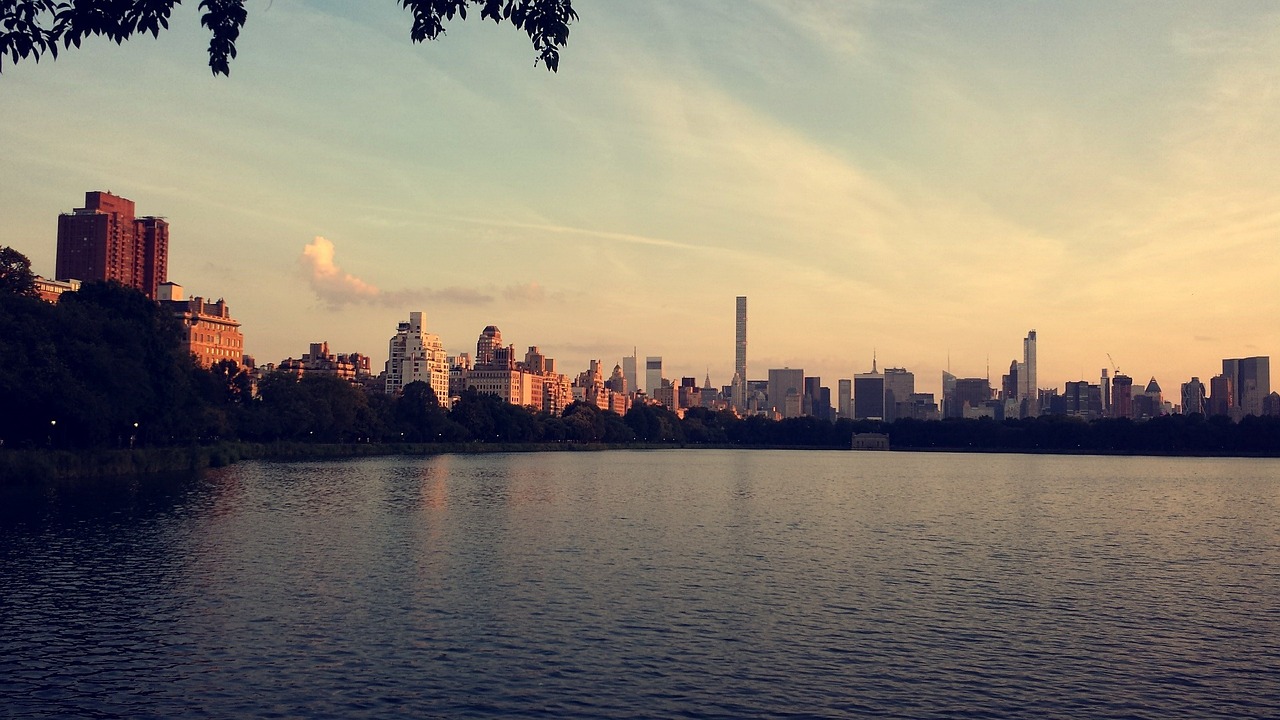
The 843 acres that make the city survivable — Bethesda Terrace and the Mall's elm cathedral, rowboats on the Lake, Belvedere Castle, the Ramble's wild heart, and a south-end loop every first trip owes itself. Free, dawn to 1am.